
In the world of urban development, city regeneration firms often fall into the trap of applying a one-size-fits-all approach to town regeneration. However, what works for a bustling metropolis may not necessarily be suitable for a small town with its unique characteristics and needs. This blog explores the pitfalls of using standardised approaches and underscores the importance of tailored strategies for successful town regeneration.

The Pitfalls of Standardised Approaches
One of the most significant issues with standardised approaches in town regeneration is that they often ignore the unique identity of the local area. Small towns have their own distinct cultural, historical, and social fabric, which can easily be overlooked when a generic strategy is applied. This oversight can lead to developments that feel out of place and fail to resonate with the local community. When regeneration projects do not align with the local identity, they risk alienating the very people they aim to benefit.
The problem with one-size-fits-all solutions is that they rarely address the specific challenges and opportunities of a particular town. Strategies that work well in large cities are not necessarily suitable for smaller communities with different dynamics and needs. Each town faces its own set of issues, whether they be economic, social, or environmental, and these require bespoke solutions tailored to address those specific circumstances. Without such customization, regeneration efforts may miss the mark entirely, resulting in ineffective or even detrimental outcomes.
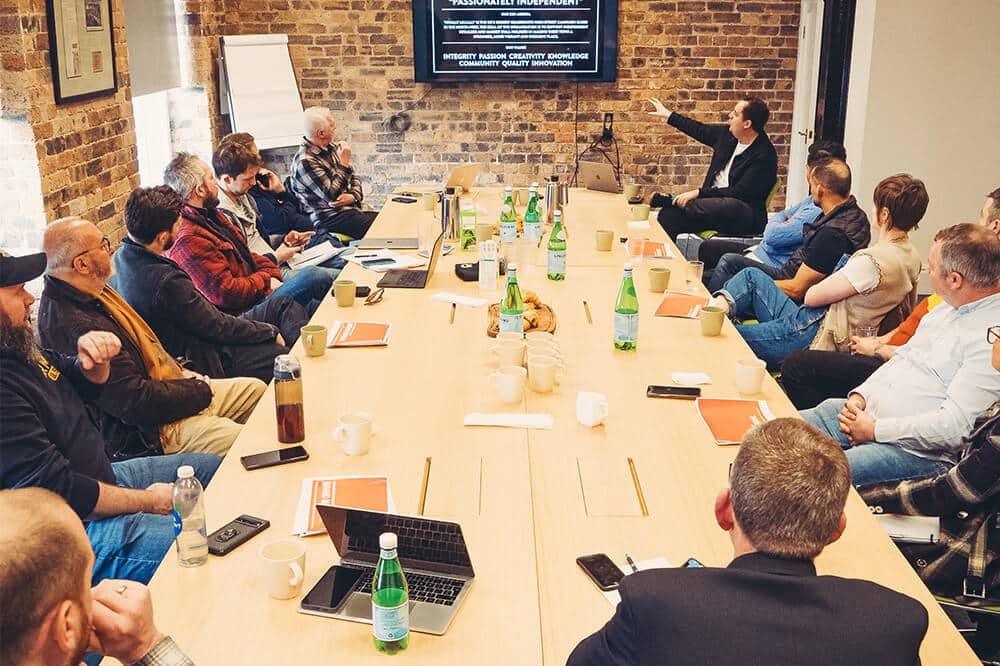
Furthermore, standardised approaches often fall short in terms of community engagement. When regeneration projects are designed without meaningful input from local residents and stakeholders, they risk facing resistance and a lack of support. Community buy-in is crucial for the success of any regeneration project, and without it, even the most well-intentioned plans can falter. Engaging the community early and often ensures that their needs and aspirations are considered, leading to a more inclusive and supportive environment for development.
The Importance of Tailored Strategies
To achieve successful town regeneration, it is essential to adopt tailored strategies that start with a deep understanding of the local community’s needs, aspirations, and concerns. This begins with thorough research and active engagement with residents, ensuring that their voices are heard and their input is valued. By taking the time to understand what truly matters to the community, regeneration efforts can be more effectively aligned with local priorities.
Leveraging the unique strengths of a town is another critical aspect of a customised approach. Every town has its own assets, whether it’s a rich historical heritage, a vibrant arts scene, or a strong sense of community. These strengths should be central to the regeneration strategy, helping to create developments that are not only successful but also reflective of the town’s unique character. By building on what makes the town special, regeneration projects can enhance rather than diminish the local identity.
Custom approaches also focus on creating sustainable solutions that benefit the community in the long term. This means considering not just economic viability, but also environmental sustainability and social cohesion. Regeneration projects should be designed to provide lasting value to the community, ensuring that the benefits are felt for years to come. By prioritising sustainability, tailored strategies can contribute to the overall resilience and well-being of the town.
The Benefits of Genuine Dialogue and Collaboration
Genuine dialogue and collaboration with the community offer numerous benefits for regeneration projects. Engaging the community from the outset helps to build trust between project developers and residents. When people feel that their opinions are valued and their concerns are addressed, they are more likely to support the project and contribute positively to its success. This trust is essential for creating a strong foundation for the project’s long-term success.
Ensuring that the project is relevant to the community’s actual needs and desires is another key advantage of ground-level engagement. Projects that reflect the community’s priorities are more likely to succeed and be embraced by residents. This relevance is crucial not just for the initial launch, but for the sustainability of the project over time.
Moreover, when community members are involved in the planning and development stages, they develop a sense of ownership over the project. This ownership encourages them to actively participate in its maintenance and success, fostering a lasting positive impact. Additionally, collaborative efforts can enhance social cohesion within the community. Working together towards a common goal fosters a sense of unity and collective achievement, strengthening social ties and contributing to a stronger, more connected community.
Conclusion
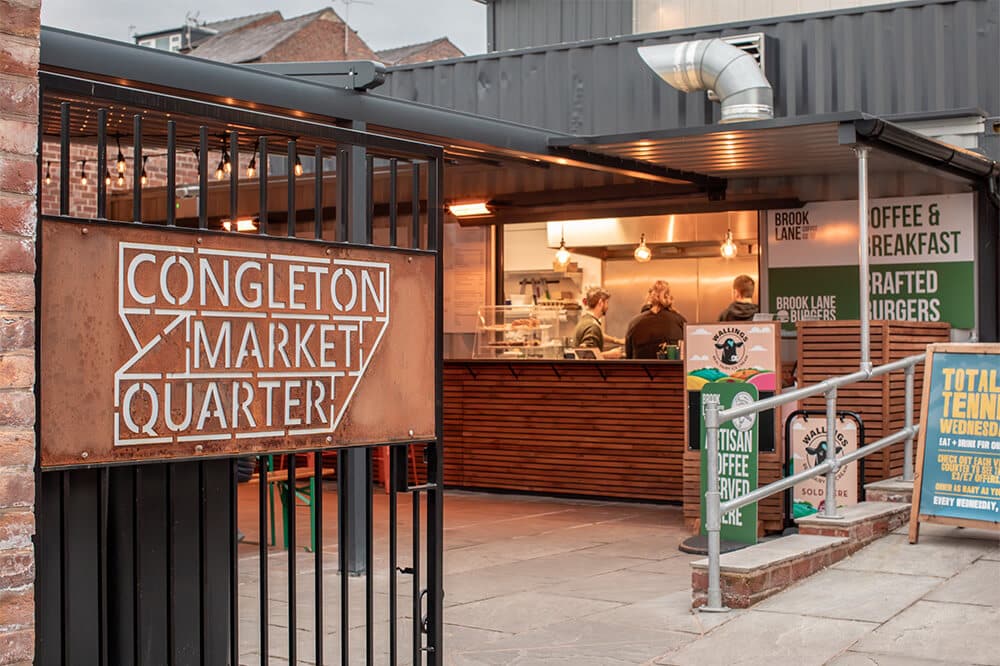
Regeneration projects in small towns require a nuanced, bespoke approach that respects and enhances the unique character of each community. By avoiding cookie-cutter solutions and embracing tailored strategies, city regeneration firms can create developments that are not only successful but also meaningful and sustainable. At Market Quarter Group, we are committed to delivering personalised regeneration solutions that truly reflect the heart and soul of the towns we work with. By prioritising genuine engagement, leveraging local strengths, and focusing on long-term sustainability, we believe that we can make a lasting positive impact on the communities we serve.